Effective Classroom Management Tips for Teachers: Creating a Positive Learning Environment
Introduction
A well-managed classroom is the foundation of successful teaching and meaningful learning. While every teacher has a unique teaching style, effective classroom management helps create an environment where students feel safe, respected, motivated, and ready to learn. It is not about being strict or controlling every action—it is about building positive relationships, setting clear expectations, and encouraging responsibility.
At American Vale International School, we believe that great classroom management allows teachers to focus more on inspiring students and less on handling disruptions. With the right strategies, every classroom can become a place where students thrive academically, socially, and emotionally.
Why Classroom Management Matters
Good classroom management benefits both teachers and students. It reduces distractions, increases student engagement, improves academic performance, and creates a positive atmosphere where everyone feels valued.
An organized classroom also helps students develop important life skills such as responsibility, respect, teamwork, communication, and self-discipline.
1. Establish Clear Rules and Expectations
Students perform better when they understand what is expected of them.
At the beginning of the school year, create simple and positive classroom rules that everyone can follow. Instead of focusing on what students should not do, explain the behaviors you want to see.
Examples include:
- Respect everyone.
- Listen when others speak.
- Arrive prepared for class.
- Complete assignments on time.
- Keep the classroom clean.
Review these expectations regularly to help students build positive habits.
2. Build Strong Relationships with Students
Students are more likely to respect teachers who genuinely care about them.
Take time to learn students’ names, understand their interests, celebrate their achievements, and encourage them during challenges. A positive teacher-student relationship creates trust, making classroom management much easier.
Simple gestures like greeting students at the door or asking about their day can make a significant difference.
3. Plan Engaging Lessons
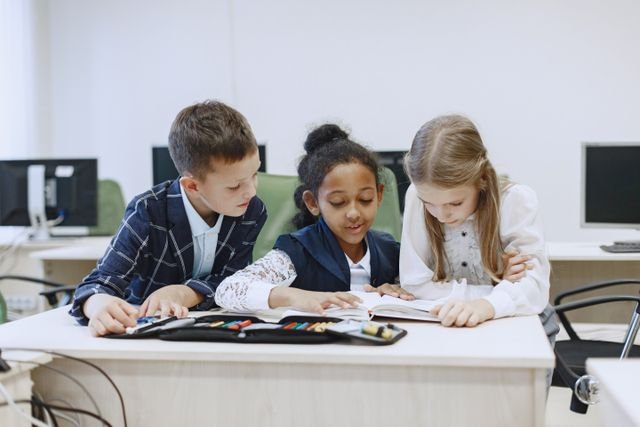
One of the best ways to prevent classroom disruptions is to keep students actively involved.
Interactive lessons, group discussions, educational games, hands-on activities, multimedia presentations, and real-world examples help maintain attention and reduce boredom.
When students are interested in learning, they naturally stay focused.
4. Create Consistent Classroom Routines
Daily routines provide structure and help students know what to expect.
Establish routines for:
- Entering the classroom
- Attendance
- Homework submission
- Group activities
- Asking questions
- Ending class
Consistency reduces confusion and saves valuable teaching time.
5. Use Positive Reinforcement
Recognize and celebrate positive behavior whenever possible.
Praise students for participation, effort, kindness, teamwork, and improvement—not just high grades.
Positive reinforcement may include:
- Verbal praise
- Certificates
- Reward points
- Classroom responsibilities
- Appreciation notes
Encouragement motivates students far more effectively than constant criticism.
6. Encourage Student Participation
Students become more engaged when they actively contribute to the learning process.
Ask open-ended questions, encourage discussions, assign collaborative projects, and allow students to share their ideas.
Participation builds confidence while creating a classroom culture where every voice matters.
7. Handle Disruptions Calmly and Respectfully
Every classroom experiences occasional disruptions.
Instead of reacting emotionally, remain calm and address behavior privately whenever possible. Focus on correcting the behavior rather than embarrassing the student.
Respectful communication helps maintain trust while resolving problems effectively.
8. Differentiate Instruction
Every student learns differently.
Provide a variety of teaching methods, including visual aids, discussions, practical activities, technology, and independent work to accommodate different learning styles.
Flexible instruction keeps more students engaged and reduces frustration.
9. Integrate Educational Technology
Technology can make classroom management more efficient.
Teachers can use digital attendance systems, online assignments, interactive quizzes, educational apps, and learning management systems to organize lessons and monitor student progress.
Technology also makes learning more engaging and accessible.
10. Promote Teamwork and Collaboration
Group activities teach students how to communicate, solve problems, and work respectfully with others.
Collaborative learning also develops leadership skills and encourages students to support one another academically.
A classroom built on cooperation often experiences fewer behavioral challenges.
11. Manage Time Effectively
Careful lesson planning helps maximize learning time.
Break lessons into manageable sections that include instruction, activities, discussion, practice, and review.
Avoid long periods of passive listening by incorporating regular opportunities for student interaction.
12. Create an Inclusive Learning Environment
Every student deserves to feel welcomed, respected, and valued.
Celebrate diversity, encourage kindness, and ensure every learner has equal opportunities to participate.
Inclusive classrooms build confidence while reducing conflict and promoting mutual respect.
13. Communicate with Parents
Parents play an essential role in student success.
Maintain regular communication through meetings, emails, school portals, or progress reports. Sharing both achievements and concerns helps build strong partnerships between home and school.
When teachers and parents work together, students receive consistent guidance and support.
14. Continue Professional Development
The best teachers are lifelong learners.
Attend workshops, participate in training programs, explore new teaching strategies, and stay updated with educational technology.
Continuous learning helps teachers improve classroom management techniques and provide better learning experiences for students.
Common Classroom Management Mistakes to Avoid
Even experienced teachers can face challenges. Try to avoid:
- Inconsistent classroom rules
- Giving unclear instructions
- Focusing only on negative behavior
- Ignoring positive achievements
- Speaking harshly in front of classmates
- Overloading students with information
- Not adapting lessons to different learning needs
Learning from these mistakes helps teachers become more effective and confident.
Benefits of Effective Classroom Management
Strong classroom management creates many positive outcomes, including:
- Higher student engagement
- Better academic performance
- Improved behavior
- Stronger teacher-student relationships
- Increased confidence
- Reduced classroom stress
- Better teamwork
- More enjoyable learning experiences
A positive classroom environment encourages students to reach their full potential.
Conclusion
Effective classroom management is about creating an environment where learning can flourish. By setting clear expectations, building strong relationships, encouraging participation, using positive reinforcement, and embracing innovative teaching methods, teachers can inspire students to become confident, responsible, and motivated learners.
At American Vale International School, we believe that every successful classroom begins with caring teachers, respectful relationships, and engaging learning experiences. When classrooms are well managed, students gain not only academic knowledge but also the character, confidence, and life skills they need to succeed beyond school.
Frequently Asked Questions (FAQs)
1. What is classroom management?
Classroom management refers to the strategies teachers use to create an organized, respectful, and productive learning environment.
2. Why is classroom management important?
It improves student behavior, increases engagement, reduces disruptions, and supports better academic achievement.
3. How can teachers improve classroom management?
Teachers can improve by setting clear expectations, building positive relationships, using engaging lessons, maintaining routines, and encouraging positive behavior.
4. What role does technology play in classroom management?
Technology helps organize lessons, monitor progress, manage assignments, improve communication, and increase student engagement.
5. How does American Vale International School support effective teaching?
Our experienced teachers combine modern teaching methods, positive classroom management strategies, and innovative technology to create engaging, student-centered learning environments that help every learner succeed.