The Importance of Active Learning in the Classroom: Empowering Students for Lifelong Success
Introduction
Education has evolved far beyond traditional lectures and memorizing textbooks. Today, students learn best when they actively participate in the learning process rather than simply listening to information. This approach, known as active learning, encourages students to think critically, ask questions, solve problems, collaborate with classmates, and apply knowledge in real-life situations.
At American Vale International School, we believe that active learning creates confident, curious, and independent learners. By encouraging participation and hands-on experiences, we help students develop the academic knowledge and life skills they need to succeed in school and beyond.
What Is Active Learning?
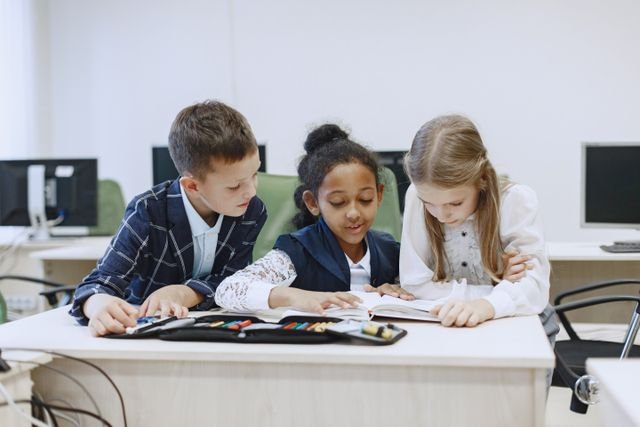
Active learning is a teaching approach where students become active participants in the classroom instead of passive listeners. Rather than only receiving information from teachers, students engage in discussions, group projects, experiments, presentations, educational games, problem-solving activities, and collaborative learning.
This student-centered approach encourages learners to take ownership of their education while developing a deeper understanding of every subject.
Why Active Learning Matters
Research consistently shows that students remember more when they actively engage with what they are learning. Active learning helps students connect new ideas with previous knowledge, making lessons more meaningful and easier to understand.
Instead of simply memorizing facts for examinations, students learn how to analyze information, evaluate ideas, and apply their knowledge in everyday situations.
1. Increases Student Engagement
One of the greatest benefits of active learning is improved student engagement.
Interactive activities capture students’ attention and make lessons enjoyable. Whether participating in classroom discussions, solving real-world problems, or working in teams, students remain focused because they are directly involved in the learning process.
Engaged students are more motivated to attend classes, complete assignments, and participate confidently.
2. Develops Critical Thinking Skills
Modern education requires students to think beyond memorization.
Active learning encourages learners to ask questions, compare ideas, evaluate evidence, and develop logical solutions. These critical thinking skills help students become independent learners who can confidently solve academic and real-life challenges.
Critical thinking also prepares students for higher education and future careers.
3. Improves Knowledge Retention
Students often forget information learned through passive listening. However, when they actively participate in lessons, they understand concepts more deeply and remember them for longer periods.
Activities such as debates, experiments, presentations, and peer teaching strengthen memory by encouraging students to apply what they have learned.
Learning becomes an experience rather than simply receiving information.
4. Encourages Collaboration and Teamwork
Many classroom activities require students to work together toward common goals.
Group discussions, collaborative projects, and problem-solving exercises help students develop teamwork, communication, leadership, and conflict-resolution skills.
Learning alongside classmates also teaches students to respect different opinions while building confidence in sharing their own ideas.
5. Builds Communication Skills
Active learning creates opportunities for students to express themselves clearly.
Through classroom discussions, presentations, debates, and collaborative activities, students improve both speaking and listening skills.
Strong communication skills are essential for academic success, future careers, and personal development.
6. Promotes Creativity and Innovation
Active learning encourages students to explore new ideas instead of simply following instructions.
Creative projects, design challenges, storytelling, role-playing, and problem-solving activities allow learners to think independently and develop innovative solutions.
These experiences inspire curiosity and help students become creative thinkers who enjoy learning.
7. Supports Different Learning Styles
Every student learns differently.
Some students learn best by seeing, others by listening, reading, or participating in hands-on activities. Active learning includes a variety of teaching methods that accommodate diverse learning styles, ensuring every learner has an opportunity to succeed.
An inclusive classroom helps students feel confident and supported.
8. Increases Student Confidence
When students participate regularly, answer questions, present ideas, and solve problems independently, they gradually become more confident in their abilities.
Success in small classroom activities builds self-esteem, encouraging students to take on greater academic challenges with a positive attitude.
Confidence gained in the classroom often extends to everyday life.
9. Makes Learning More Enjoyable
Students naturally enjoy lessons that involve interaction, creativity, and collaboration.
Educational games, science experiments, role-playing, quizzes, group competitions, and digital learning tools transform ordinary lessons into exciting learning experiences.
When learning is enjoyable, students develop a genuine love for education.
10. Prepares Students for the Future
The modern workplace values creativity, communication, adaptability, collaboration, and critical thinking.
Active learning helps students develop these essential skills from an early age, preparing them for university studies, professional careers, and lifelong learning.
Students become confident problem-solvers who are ready to face future challenges.
Effective Active Learning Strategies
Teachers can successfully introduce active learning through:
- Group discussions and brainstorming sessions
- Problem-solving activities
- Classroom debates
- Educational games and quizzes
- Project-based learning
- Science experiments
- Role-playing activities
- Peer teaching
- Digital learning tools
- Interactive presentations
- Collaborative research projects
- Real-world case studies
These strategies keep students motivated while improving understanding and participation.
The Role of Teachers in Active Learning
Teachers play an essential role in creating an active learning environment.
Instead of simply delivering lectures, teachers become facilitators who guide discussions, encourage curiosity, provide meaningful feedback, and support every student’s learning journey.
Great teachers create classrooms where students feel comfortable asking questions, making mistakes, and discovering new ideas.
Technology and Active Learning
Modern technology makes active learning even more effective.
Interactive whiteboards, educational apps, online quizzes, virtual classrooms, multimedia presentations, and collaborative digital platforms allow students to participate in engaging learning experiences both inside and outside the classroom.
Technology supports personalized learning while increasing student motivation.
Benefits of Active Learning
Schools that embrace active learning often experience:
- Higher student engagement
- Better academic performance
- Improved critical thinking
- Stronger communication skills
- Greater creativity
- Increased collaboration
- Higher confidence levels
- Better classroom participation
- Long-term knowledge retention
- Greater enthusiasm for learning
These benefits help students grow academically, socially, and emotionally.
Conclusion
Active learning transforms education by placing students at the center of the learning experience. Instead of memorizing information, learners explore ideas, solve problems, collaborate with others, and develop the confidence to think independently.
At American Vale International School, we are committed to creating engaging classrooms where every student is encouraged to participate, ask questions, and discover their full potential. Through active learning, innovative teaching methods, and caring educators, we prepare students not only for academic success but also for a lifetime of curiosity, creativity, and achievement.
Education becomes truly meaningful when students don’t just learn—they actively experience, explore, and grow.
Frequently Asked Questions (FAQs)
1. What is active learning?
Active learning is a teaching approach where students actively participate through discussions, projects, problem-solving, and collaborative activities instead of only listening to lectures.
2. Why is active learning important?
It improves engagement, critical thinking, knowledge retention, communication skills, creativity, and overall academic performance.
3. How does active learning benefit students?
Students become more confident, motivated, independent, and better prepared for higher education and future careers.
4. What are examples of active learning?
Examples include group discussions, project-based learning, debates, educational games, science experiments, peer teaching, role-playing, and interactive technology-based lessons.
5. How does American Vale International School encourage active learning?
Our experienced teachers use student-centered teaching methods, collaborative activities, educational technology, and hands-on learning experiences to inspire curiosity, confidence, and lifelong success in every learner.